THE KHAIR art collection
THE KHAIR art collection
THE KHAIR art collection
A family’s modern Syrian memory
A family’s modern Syrian memory
The Khair Collection is a private archive built around one artist and one enduring conversation with Syrian modernity. Over three decades, the Khair family assembled a focused body of works by Fateh Moudarres that maps his themes of mothers and kings, Bedouins and peasants, icons and landscapes. It is an intimate portrait of a painter and of a family that lived with his images every day.
The Khair Collection is a private archive built around one artist and one enduring conversation with Syrian modernity. Over three decades, the Khair family assembled a focused body of works by Fateh Moudarres that maps his themes of mothers and kings, Bedouins and peasants, icons and landscapes. It is an intimate portrait of a painter and of a family that lived with his images every day.
Munzer Khair
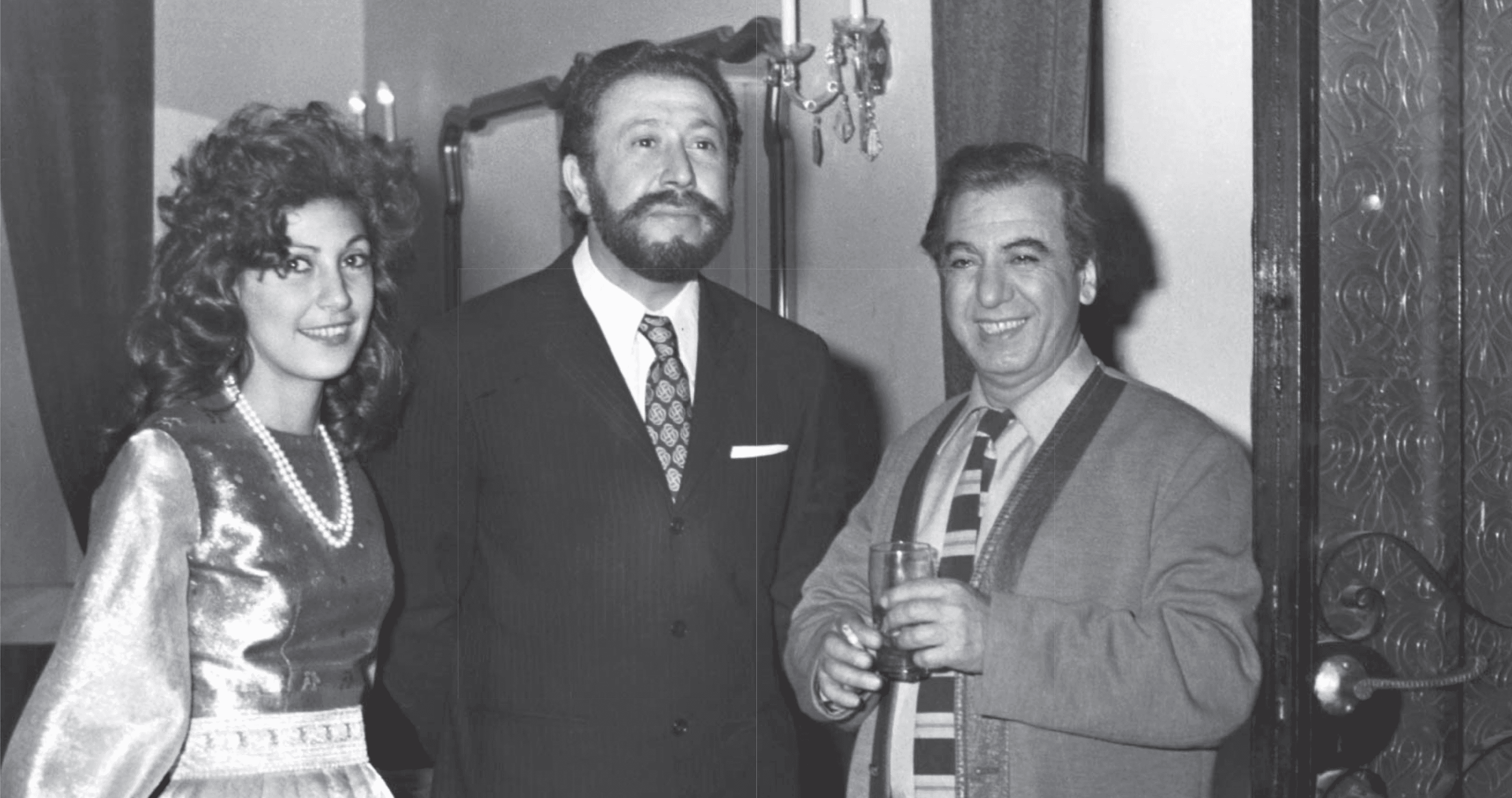
Munzer Khair was born in Damascus in 1933 into a closely bonded Damascene family. His father, Adib Khair, was a prominent merchant and an early Syrian nationalist in the 1920s, deeply engaged in the city’s political and cultural life. He owned the Librairie Universelle, a respected cultural institution, and played an active role in nationalist movements, including organizing the famous six-day total strike of Damascus against the French Mandate, for which he and his comrades were imprisoned. Refusing public office, Adib Khair remained committed to the nationalist cause from behind the scenes. He was also a pioneer in Syrian cinema: according to Munzer Khair, he produced the silent film “Under the Sky of Damascus,” one of the earliest cinematic works in the country.
Munzer Khair’s childhood was marked by both familial warmth and early loss: his father passed away when he was only thirteen, leaving a lasting impression of patriotism, resilience, and cultural engagement. Educated initially at the French Frères Maristes school in Damascus, Khair continued his studies abroad after receiving a scholarship to Mount Hermon School in Massachusetts. He later attended the American University of Beirut, majoring in Chemistry with a minor in Mathematics, before completing his higher education in the United States. In January 1956, he earned a Bachelor of Science in Petroleum Engineering from the University of Texas, following studies at the Colorado School of Mines.
Professionally, Khair worked in petroleum engineering in Sicily and Algeria and later with International Oil Well Service in Lebanon. From the 1970s until the late 1980s, he was a franchisee for telecommunications companies such as ITT and Alcatel. he became CEO of Al Sayyar Art Productions (ASAP), one of Syria’s pioneering production companies for documentaries and television. Under his leadership, ASAP produced, distributed, and dubbed documentaries, series, and cartoons for Arab-speaking channels. Khair was instrumental in initiating the landmark documentary portrait series that brought together Omar Amiralay, Muhammad Malas, and Ossama Mohammad. The first documentary focused on Fateh Moudarres, offering an intimate cinematic portrait of the artist’s life, memories, and creative philosophy. ASAP also produced Shadows and Light, about Nazih Shahbandar, and the historical television series Khan Al Harir, reflecting Khair’s enduring commitment to Syrian cultural heritage.
Echo-Sada, a non-profit cultural and musical association, was founded through a collective initiative aimed at supporting and promoting Syrian musicians. Mr. Munzer Khair, who served wholeheartedly as President of the association, alongside dedicated members to provide professional support, create artistic opportunities, and advocate for musicians’ rights, enabling them to fully devote themselves to their craft.
During this period, Echo-Sada contributed to enriching the National Conservatory’s library and organized an annual program of concerts and cultural events, held at the Opera House and in the historic quarters of Old Damascus, in support of Syria’s musical and cultural life.
Though not formally part of the art world, Khair developed a profound, instinctive relationship with art beginning in the late 1950s. Introduced to leading Syrian artists through connections with the Librairie Universelle, he became acquainted with figures such as Fateh Moudarres, Mahmoud Hammad, Louay Kayyali, and Adnan Al-Zayyat. His engagement with Moudarres in particular shaped his understanding of art as an intimate, lived experience rather than a commercial exercise. Khair collected Moudarres’s work over decades, acquiring pieces from different phases of the artist’s career and frequently visiting his studio near Al Najma Square in Damascus. He was drawn to Moudarres’s raw materiality, autobiographical symbolism, and multidisciplinary spirit, which combined painting, philosophy, poetry, and music.
Reflective and critical of the contemporary art market, Khair views today’s booming Arab art scene with ambivalence, lamenting its increasing commercialization and the loss of genuine connection between artist and collector. His philosophy remains rooted in personal intuition: art should be chosen for its ability to resonate deeply, not for critical approval or market value.
For Munzer Khair, art,like freedom, is something that must never be held too tightly.
Munzer Khair was born in Damascus in 1933 into a closely bonded Damascene family. His father, Adib Khair, was a prominent merchant and an early Syrian nationalist in the 1920s, deeply engaged in the city’s political and cultural life. He owned the Librairie Universelle, a respected cultural institution, and played an active role in nationalist movements, including organizing the famous six-day total strike of Damascus against the French Mandate, for which he and his comrades were imprisoned. Refusing public office, Adib Khair remained committed to the nationalist cause from behind the scenes. He was also a pioneer in Syrian cinema: according to Munzer Khair, he produced the silent film “Under the Sky of Damascus,” one of the earliest cinematic works in the country.
Munzer Khair’s childhood was marked by both familial warmth and early loss: his father passed away when he was only thirteen, leaving a lasting impression of patriotism, resilience, and cultural engagement. Educated initially at the French Frères Maristes school in Damascus, Khair continued his studies abroad after receiving a scholarship to Mount Hermon School in Massachusetts. He later attended the American University of Beirut, majoring in Chemistry with a minor in Mathematics, before completing his higher education in the United States. In January 1956, he earned a Bachelor of Science in Petroleum Engineering from the University of Texas, following studies at the Colorado School of Mines.
Professionally, Khair worked in petroleum engineering in Sicily and Algeria and later with International Oil Well Service in Lebanon. From the 1970s until the late 1980s, he was a franchisee for telecommunications companies such as ITT and Alcatel. he became CEO of Al Sayyar Art Productions (ASAP), one of Syria’s pioneering production companies for documentaries and television. Under his leadership, ASAP produced, distributed, and dubbed documentaries, series, and cartoons for Arab-speaking channels. Khair was instrumental in initiating the landmark documentary portrait series that brought together Omar Amiralay, Muhammad Malas, and Ossama Mohammad. The first documentary focused on Fateh Moudarres, offering an intimate cinematic portrait of the artist’s life, memories, and creative philosophy. ASAP also produced Shadows and Light, about Nazih Shahbandar, and the historical television series Khan Al Harir, reflecting Khair’s enduring commitment to Syrian cultural heritage.
Echo-Sada, a non-profit cultural and musical association, was founded through a collective initiative aimed at supporting and promoting Syrian musicians. Mr. Munzer Khair, who served wholeheartedly as President of the association, alongside dedicated members to provide professional support, create artistic opportunities, and advocate for musicians’ rights, enabling them to fully devote themselves to their craft.
During this period, Echo-Sada contributed to enriching the National Conservatory’s library and organized an annual program of concerts and cultural events, held at the Opera House and in the historic quarters of Old Damascus, in support of Syria’s musical and cultural life.
Though not formally part of the art world, Khair developed a profound, instinctive relationship with art beginning in the late 1950s. Introduced to leading Syrian artists through connections with the Librairie Universelle, he became acquainted with figures such as Fateh Moudarres, Mahmoud Hammad, Louay Kayyali, and Adnan Al-Zayyat. His engagement with Moudarres in particular shaped his understanding of art as an intimate, lived experience rather than a commercial exercise. Khair collected Moudarres’s work over decades, acquiring pieces from different phases of the artist’s career and frequently visiting his studio near Al Najma Square in Damascus. He was drawn to Moudarres’s raw materiality, autobiographical symbolism, and multidisciplinary spirit, which combined painting, philosophy, poetry, and music.
Reflective and critical of the contemporary art market, Khair views today’s booming Arab art scene with ambivalence, lamenting its increasing commercialization and the loss of genuine connection between artist and collector. His philosophy remains rooted in personal intuition: art should be chosen for its ability to resonate deeply, not for critical approval or market value.
For Munzer Khair, art,like freedom, is something that must never be held too tightly.
Zina Khair
Zina Khair
Zina Khair
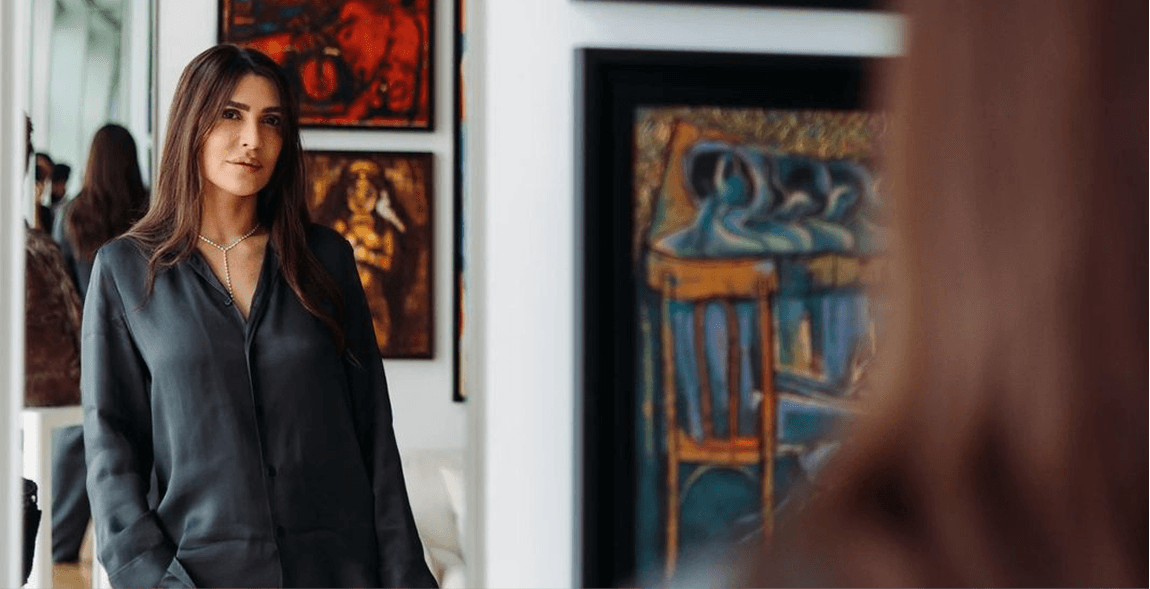
Zina Khair is a Syrian-born entrepreneur, creative, and art patron based in Dubai, whose life and work are deeply intertwined with the world of art. Raised in a family of passionate collectors, she grew up surrounded by the works of modern and contemporary Syrian masters, an environment that shaped her sensitivity to culture, heritage, and creativity from an early age.
She began her professional journey at Al Sayyar Art Productions, working alongside her father in acquisitions and marketing within the television industry. She later co-founded the Adonia Awards, Syria’s first awards program celebrating the country’s vibrant drama scene. A philanthropist at heart, in 2005 she co-founded an NGO in Damascus dedicated to supporting the blind and visually impaired, which included establishing a school for 500 children.
After relocating to Dubai in 2012, Zina co-founded 7awi Global, a digital media company reaching millions across the MENA region. In 2019, she launched Le Marais 101, a UAE-based accessories brand offering meticulously handcrafted pieces designed to elevate any handbag and celebrate individuality.
She is also a founding board member of the Syrian Crafts Council (SCC), an initiative committed to celebrating and promoting Syria’s rich traditions of craftsmanship while supporting artisans and keeping their heritage alive in contemporary culture.
Together with her sisters, Zina continues the family’s long-standing passion for collecting art, a collection that now spans three generations. Their shared mission is to honor the legacy of Syrian creativity and to ensure that the collection they grew up with, now evolving to include works by both leading and emerging Syrian voices, is celebrated and made accessible to wider audiences.
Zina Khair is a Syrian-born entrepreneur, creative, and art patron based in Dubai, whose life and work are deeply intertwined with the world of art. Raised in a family of passionate collectors, she grew up surrounded by the works of modern and contemporary Syrian masters, an environment that shaped her sensitivity to culture, heritage, and creativity from an early age.
She began her professional journey at Al Sayyar Art Productions, working alongside her father in acquisitions and marketing within the television industry. She later co-founded the Adonia Awards, Syria’s first awards program celebrating the country’s vibrant drama scene. A philanthropist at heart, in 2005 she co-founded an NGO in Damascus dedicated to supporting the blind and visually impaired, which included establishing a school for 500 children.
After relocating to Dubai in 2012, Zina co-founded 7awi Global, a digital media company reaching millions across the MENA region. In 2019, she launched Le Marais 101, a UAE-based accessories brand offering meticulously handcrafted pieces designed to elevate any handbag and celebrate individuality.
She is also a founding board member of the Syrian Crafts Council (SCC), an initiative committed to celebrating and promoting Syria’s rich traditions of craftsmanship while supporting artisans and keeping their heritage alive in contemporary culture.
Together with her sisters, Zina continues the family’s long-standing passion for collecting art, a collection that now spans three generations. Their shared mission is to honor the legacy of Syrian creativity and to ensure that the collection they grew up with, now evolving to include works by both leading and emerging Syrian voices, is celebrated and made accessible to wider audiences.
Zina Khair is a Syrian-born entrepreneur, creative, and art patron based in Dubai, whose life and work are deeply intertwined with the world of art. Raised in a family of passionate collectors, she grew up surrounded by the works of modern and contemporary Syrian masters, an environment that shaped her sensitivity to culture, heritage, and creativity from an early age.
She began her professional journey at Al Sayyar Art Productions, working alongside her father in acquisitions and marketing within the television industry. She later co-founded the Adonia Awards, Syria’s first awards program celebrating the country’s vibrant drama scene. A philanthropist at heart, in 2005 she co-founded an NGO in Damascus dedicated to supporting the blind and visually impaired, which included establishing a school for 500 children.
After relocating to Dubai in 2012, Zina co-founded 7awi Global, a digital media company reaching millions across the MENA region. In 2019, she launched Le Marais 101, a UAE-based accessories brand offering meticulously handcrafted pieces designed to elevate any handbag and celebrate individuality.
She is also a founding board member of the Syrian Crafts Council (SCC), an initiative committed to celebrating and promoting Syria’s rich traditions of craftsmanship while supporting artisans and keeping their heritage alive in contemporary culture.
Together with her sisters, Zina continues the family’s long-standing passion for collecting art, a collection that now spans three generations. Their shared mission is to honor the legacy of Syrian creativity and to ensure that the collection they grew up with, now evolving to include works by both leading and emerging Syrian voices, is celebrated and made accessible to wider audiences.
Thala Khair
Thala Khair
Thala Khair
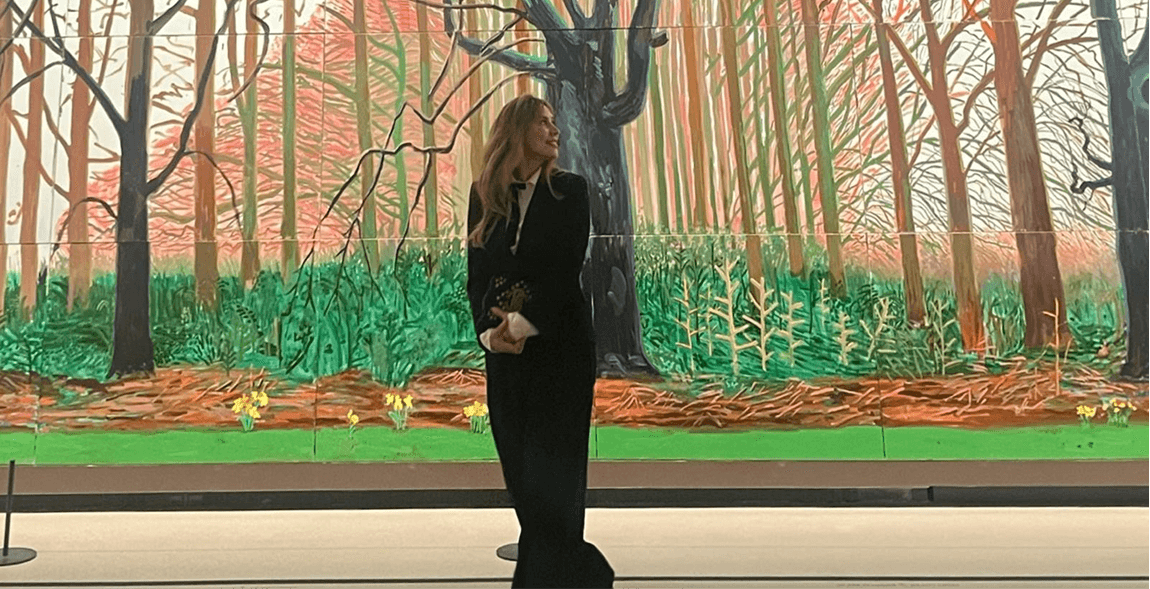
Rooted in Damascus and now based in Paris since 2012, Thala Khair holds a degree in History from the State University of New York. She grew up in a family environment where art was deeply valued, especially through the influence of her father, and later shared this connection with her partner, who had long been involved with artists and their work.
In 1999, she co-created a bilingual school aimed at providing high-quality education. Despite the significant damages that affected the campus buildings and facilities during the period of conflict, the project continued to serve its objectives. Alongside, she co-founded Echo-Sada, an organization supporting musicians and the music field in Syria, reflecting an enduring commitment to culture and education.
Since relocating to Paris, she has continued her cultural engagement, volunteering as a French teacher for migrants through an organization offering language instruction, integration support, and administrative assistance. Most recently, she co-created a coffeeshop inspired by Levantine flavors, a space that supports local artists in the neighborhood and serves as the foundation for a developing cultural and pedagogical project aimed at fostering dialogue, creativity, and community.
As an artist, painting and drawing have always accompanied her on her personal journey and have remained a vital form of personal expression and reflection. Women occupy a central place in her figurative work, which reveals Syria’s recent history, along with her personal fears and anxieties amid global upheaval. The eye, always expressive, bears witness to our times, embodying the meeting of inner and outer worlds and symbolizing the manifestation of the soul, the essential core of Being.
Rooted in Damascus and now based in Paris since 2012, Thala Khair holds a degree in History from the State University of New York. She grew up in a family environment where art was deeply valued, especially through the influence of her father, and later shared this connection with her partner, who had long been involved with artists and their work.
In 1999, she co-created a bilingual school aimed at providing high-quality education. Despite the significant damages that affected the campus buildings and facilities during the period of conflict, the project continued to serve its objectives. Alongside, she co-founded Echo-Sada, an organization supporting musicians and the music field in Syria, reflecting an enduring commitment to culture and education.
Since relocating to Paris, she has continued her cultural engagement, volunteering as a French teacher for migrants through an organization offering language instruction, integration support, and administrative assistance. Most recently, she co-created a coffeeshop inspired by Levantine flavors, a space that supports local artists in the neighborhood and serves as the foundation for a developing cultural and pedagogical project aimed at fostering dialogue, creativity, and community.
As an artist, painting and drawing have always accompanied her on her personal journey and have remained a vital form of personal expression and reflection. Women occupy a central place in her figurative work, which reveals Syria’s recent history, along with her personal fears and anxieties amid global upheaval. The eye, always expressive, bears witness to our times, embodying the meeting of inner and outer worlds and symbolizing the manifestation of the soul, the essential core of Being.
Rooted in Damascus and now based in Paris since 2012, Thala Khair holds a degree in History from the State University of New York. She grew up in a family environment where art was deeply valued, especially through the influence of her father, and later shared this connection with her partner, who had long been involved with artists and their work.
In 1999, she co-created a bilingual school aimed at providing high-quality education. Despite the significant damages that affected the campus buildings and facilities during the period of conflict, the project continued to serve its objectives. Alongside, she co-founded Echo-Sada, an organization supporting musicians and the music field in Syria, reflecting an enduring commitment to culture and education.
Since relocating to Paris, she has continued her cultural engagement, volunteering as a French teacher for migrants through an organization offering language instruction, integration support, and administrative assistance. Most recently, she co-created a coffeeshop inspired by Levantine flavors, a space that supports local artists in the neighborhood and serves as the foundation for a developing cultural and pedagogical project aimed at fostering dialogue, creativity, and community.
As an artist, painting and drawing have always accompanied her on her personal journey and have remained a vital form of personal expression and reflection. Women occupy a central place in her figurative work, which reveals Syria’s recent history, along with her personal fears and anxieties amid global upheaval. The eye, always expressive, bears witness to our times, embodying the meeting of inner and outer worlds and symbolizing the manifestation of the soul, the essential core of Being.
aya Khair
aya Khair
aya Khair
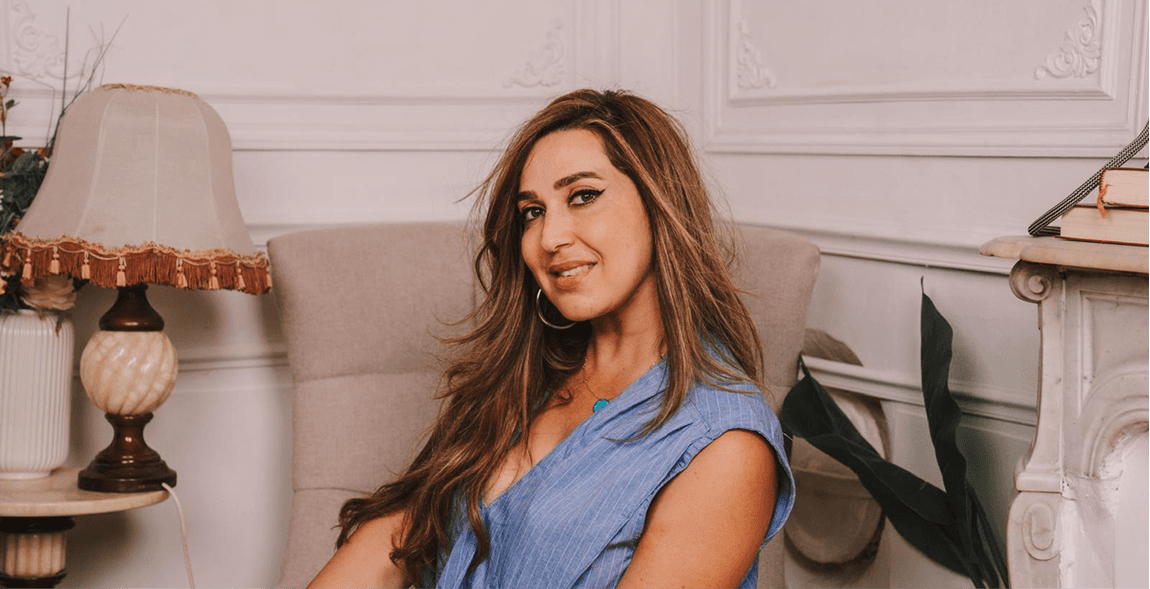
Born in Damascus in 1979, Aya Khair is a Syrian painter whose work bridges personal expression with cultural memory. She trained under the renowned artist Zouheir Hassib and at the Institut des Beaux-Arts de Paris (2005–2006).
Her early promise was recognized at the Damascus Society Gallery, and she held her first solo exhibition, Blossom from Damascus (2003), at the American University of Beirut. She has since presented multiple solo shows, including Omnia (2011), Hope Expression (SV Gallery, Beirut, 2014, in collaboration with Malaak for Syrian refugees), and Gaia – Mother Earth (The Hub Gallery, Kuwait, 2018).
Khair has actively participated in collective exhibitions across Paris, Beirut, and Kuwait, including shows addressing women’s rights such as Abolish Article 153 (FA Gallery, Kuwait, 2016) and Women in War (ICRC Kuwait, 2017).
As a curator, she has organized exhibitions highlighting Arab and Syrian artists, including The Syrian Journey (Kuwait, 2019), Feelings (The Hub Gallery, 2019), and Art on Kaftan (The Hub Gallery, 2022). She represented Syria at Expo 2020 Dubai.
Since 2023, Khair has developed Daily Planners, blending Arab art and quotes from Arab artists, creating a space for cultural reflection and creative engagement. In 2024, she curated Waste to Wonder, focusing on recyclable art, followed by a 2025 collaboration with Caribou on sustainability projects transforming waste into cultural narratives.
Through her painting, fashion, and curatorial practice, Aya Khair continues to explore identity, resilience, and belonging, celebrating Syrian creativity while engaging with global conversations around art, culture, and sustainability.
Born in Damascus in 1979, Aya Khair is a Syrian painter whose work bridges personal expression with cultural memory. She trained under the renowned artist Zouheir Hassib and at the Institut des Beaux-Arts de Paris (2005–2006).
Her early promise was recognized at the Damascus Society Gallery, and she held her first solo exhibition, Blossom from Damascus (2003), at the American University of Beirut. She has since presented multiple solo shows, including Omnia (2011), Hope Expression (SV Gallery, Beirut, 2014, in collaboration with Malaak for Syrian refugees), and Gaia – Mother Earth (The Hub Gallery, Kuwait, 2018).
Khair has actively participated in collective exhibitions across Paris, Beirut, and Kuwait, including shows addressing women’s rights such as Abolish Article 153 (FA Gallery, Kuwait, 2016) and Women in War (ICRC Kuwait, 2017).
As a curator, she has organized exhibitions highlighting Arab and Syrian artists, including The Syrian Journey (Kuwait, 2019), Feelings (The Hub Gallery, 2019), and Art on Kaftan (The Hub Gallery, 2022). She represented Syria at Expo 2020 Dubai.
Since 2023, Khair has developed Daily Planners, blending Arab art and quotes from Arab artists, creating a space for cultural reflection and creative engagement. In 2024, she curated Waste to Wonder, focusing on recyclable art, followed by a 2025 collaboration with Caribou on sustainability projects transforming waste into cultural narratives.
Through her painting, fashion, and curatorial practice, Aya Khair continues to explore identity, resilience, and belonging, celebrating Syrian creativity while engaging with global conversations around art, culture, and sustainability.
Born in Damascus in 1979, Aya Khair is a Syrian painter whose work bridges personal expression with cultural memory. She trained under the renowned artist Zouheir Hassib and at the Institut des Beaux-Arts de Paris (2005–2006).
Her early promise was recognized at the Damascus Society Gallery, and she held her first solo exhibition, Blossom from Damascus (2003), at the American University of Beirut. She has since presented multiple solo shows, including Omnia (2011), Hope Expression (SV Gallery, Beirut, 2014, in collaboration with Malaak for Syrian refugees), and Gaia – Mother Earth (The Hub Gallery, Kuwait, 2018).
Khair has actively participated in collective exhibitions across Paris, Beirut, and Kuwait, including shows addressing women’s rights such as Abolish Article 153 (FA Gallery, Kuwait, 2016) and Women in War (ICRC Kuwait, 2017).
As a curator, she has organized exhibitions highlighting Arab and Syrian artists, including The Syrian Journey (Kuwait, 2019), Feelings (The Hub Gallery, 2019), and Art on Kaftan (The Hub Gallery, 2022). She represented Syria at Expo 2020 Dubai.
Since 2023, Khair has developed Daily Planners, blending Arab art and quotes from Arab artists, creating a space for cultural reflection and creative engagement. In 2024, she curated Waste to Wonder, focusing on recyclable art, followed by a 2025 collaboration with Caribou on sustainability projects transforming waste into cultural narratives.
Through her painting, fashion, and curatorial practice, Aya Khair continues to explore identity, resilience, and belonging, celebrating Syrian creativity while engaging with global conversations around art, culture, and sustainability.
THE KHAIR
art collection
A private family archive dedicated to the work of Fateh Moudarres. Focused, research-minded, and rooted in Damascus memory.
Contact
info@thekhairartcollection.com
Press and research access by appointment
Visit & Loans
Scholarly viewings and institutional loans considered on request
© The Khair Collection — All rights reserved.